Philippine private integrated school: Guide to structure
"The landscape of private higher education is shaped by evolving legal frameworks and institutional structures that define how schools operate within their respective nations."
A private integrated school model typically functions through a structured hierarchy designed to manage diverse educational levels under a single administrative umbrella.
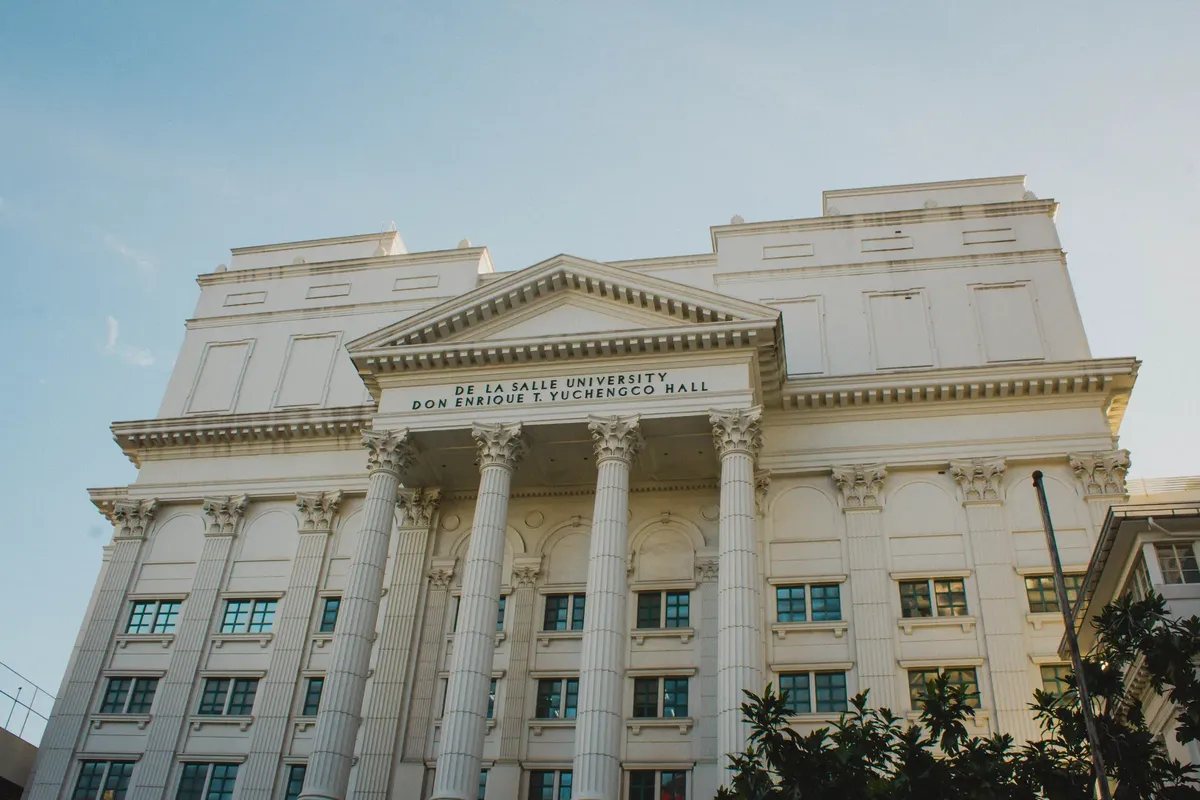
This guide explores the regulatory frameworks and organizational structures that define such institutions, while noting that specific operational details vary by local legislation.
What defines a private integrated school in the Philippines? Walking through a large campus, an administrator reviews the various departments ranging from primary levels to higher education. A Philippine private integrated school often manages multiple educational stages through a unified administrative body to ensure consistency in curriculum and culture.
A unified school system allows for a seamless transition between different educational stages. This structure aims to provide a continuous learning path for students within a single institutional identity.
The 2010 Act introduced a structured regulatory framework for private higher education, requiring each institution to establish a Board of Trustees, Syndicate, and Academic Council. These governing bodies ensure that the school meets specific academic and administrative standards.
How does an integrated curriculum flow work? Philippine private integrated school
A teacher sits in a faculty meeting, mapping out how junior high lessons connect to senior high requirements. Managing an integrated curriculum flow requires careful synchronization between different departments to prevent redundancy and ensure academic progression.

This approach helps align learning objectives across various grade levels. By maintaining a consistent pedagogical approach, the institution can better support student development from one stage to the next.
The transition from basic to advanced study requires clear guidelines to ensure that foundational knowledge is properly reinforced. This alignment is a core component of maintaining quality within a multi-level school.
How do I establish institutional governance? An organizer lays out the founding documents for a new governance committee in a quiet boardroom. Establishing a stable leadership structure is essential for any private institution looking to expand its educational offerings.
- Establish a Board of Trustees to oversee the long-term mission and financial health of the institution. 2. Form a Syndicate to manage the administrative and operational aspects of the school. 3.
I once observed how these three distinct bodies must communicate effectively to prevent administrative friction during enrollment seasons. These steps provide the necessary checks and balances for a healthy school environment.
How do we manage primary to higher learning transitions?

A student moves from a small classroom to a large lecture hall, marking the change in educational focus. Managing the transition from primary to higher learning involves balancing the specialized needs of different age groups within one campus.
The school must provide adequate facilities for both younger children and adult learners. This requires a careful allocation of space and resources to prevent conflicts between different student populations.
| Governance Body | Primary Responsibility |
|---|---|
| Board of Trustees | Strategic oversight and mission |
The comparison of these roles shows how specialized tasks are divided to maintain institutional stability.
What are the risks to school longevity?
An empty hallway in a closed building serves as a reminder of the challenges facing private education. While many schools thrive, some institutions face closure due to changing regulations or financial instability.
According to the International University, some private universities, including Hanseatic University Rostock (2007–2009) and the International University in Germany in Bruchsal, have gone out of business.
A limitation of studying these models is that specific operational success depends heavily on the local legal environment of the country in question.

For example, some private universities, including Hanseatic University Rostock (2007–2009) and the International University in Germany in Bruchsal, have gone out of business.
- What defines a private integrated school in the Philippines?
- How does an integrated curriculum flow work?
- How do I establish institutional governance?
The subject here is Philippine private integrated school.
The same subject is also called Private school structure.
The same subject is also called K-12 education model.
This part also covers School stages operation.
Related
- UK comprehensive school origin: Why modern schools differ
- US school uniform history: Tips on attire evolution
How does the landscape of private higher education compare across regions?
- The operational realities of a private institution differ based on the nation's specific laws. 2. For instance, the establishment of private universities in Bangladesh followed the enactment of the Private University Act, 1992, before a subsequent replacement in 2010. 3. This regional variation underscores how local legislation dictates the operational boundaries of a private school.
The comparison between these diverse legal environments highlights the unique challenges faced by each institution. The landscape of private higher education must constantly adapt to these differing national mandates. This adaptability is crucial for sustained operation.
According to Chi Minh City Open University, several private universities have opened in Vietnam since the 1990s, with Ho Chi Minh City Open University being one of the first.
What is the role of the Board of Trustees in the landscape? The Board of Trustees holds the responsibility for the long-term mission and the financial health of the institution. This oversight function ensures that the school remains viable while pursuing its educational goals. The Board guides the overall direction of the private institution.
This strategic oversight is vital because it provides the necessary checks and balances mentioned previously. The Board ensures that the Syndicate manages operations in alignment with the institution's founding mission.
This division of duties between the Board and the Syndicate maintains operational clarity within the complex structure of the private school.








Comments 0