UK comprehensive school origin: Why modern schools differ
"The transition from a selective bipartite system to a more inclusive model changed the landscape of British secondary education forever."
The UK comprehensive school origin is defined by a shift from a competitive, selective system to a broad model that accommodates various student needs. This guide examines the historical transition, the composition of modern schools, and the specific ways selection still occurs within the system.
Key takeaways include the dominance of comprehensive models, the historical competition for grammar school places, and the role of specialist selection.
What defined the post-war shift in UK schools? A student sits at a wooden desk, staring at a single acceptance letter that determines their entire academic future. For two decades, the educational landscape was characterized by a virtual bipartite system where competition for limited spots was intense.

According to Hart Union, the Hart Union High School District academic calendar spans from August 12, 2025, to June 4, 2026, noting that different dates apply to elementary and high school students.
This period saw fierce competition for available grammar school places, which varied between 15% and 25% of total secondary places.
The historical context of the post war school system UK involved a struggle between different types of academic institutions. Because secondary technical schools were never widely implemented, the tension between selective and non-selective paths remained a central issue.
This competition shaped the lives of many students who navigated the rigid boundaries of the bipartite model.
The shift toward a more unified structure sought to move away from this divided reality. While the transition aimed to provide more equitable access, the legacy of the previous system influenced how schools were organized.
Understanding this history requires looking at how the selective elements were eventually integrated or replaced.
The shift was primarily driven by the move from a tripartite system to a more unified structure intended to provide equal opportunity for all children.
How did the comprehensive school history shape modern enrollment?
A teacher walks through a wide hallway, greeting a diverse group of students entering a large, multi-purpose building. Today, the comprehensive school history is reflected in the massive scale of these institutions.
About 90% of English secondary school pupils attend such schools, which include academy schools, community schools, faith schools, foundation schools, free schools, studio schools, university technical colleges, state boarding schools, and City Technology Colleges.

This high enrollment rate demonstrates how the comprehensive model became the standard for the majority of the population. The diversity of school types under this umbrella ensures that various educational needs are met within a single broad category.
This widespread adoption changed the fundamental nature of secondary education in England.
The scale of these schools is a direct result of the move toward non-selective education. By providing a place for most students, the system moved away from the scarcity of the grammar school era.
This shift ensured that the vast majority of the population was covered by a single, cohesive educational framework.
The historical move toward comprehensive education established the framework for non-selective enrollment models used across much of the country today.
How does modernizing UK education affect selection? A counselor reviews applications, noting how specific criteria might favor certain candidates for specialized programs. While the system is largely non-selective, modernizing UK education still allows for certain levels of academic distinction.
Specialist schools may however select up to 10% of their intake for aptitude in their specialism.
This small percentage of selection allows schools to focus on specific talents while maintaining a broader student body. It represents a compromise between the purely selective past and the fully comprehensive present.
Such programs provide a way to address specific academic or technical strengths within a general school setting.
The existence of these specialized tracks prevents the system from being entirely uniform. It allows for a nuanced approach to talent while keeping the majority of students in a comprehensive environment. This balance is a key feature of the contemporary secondary landscape.
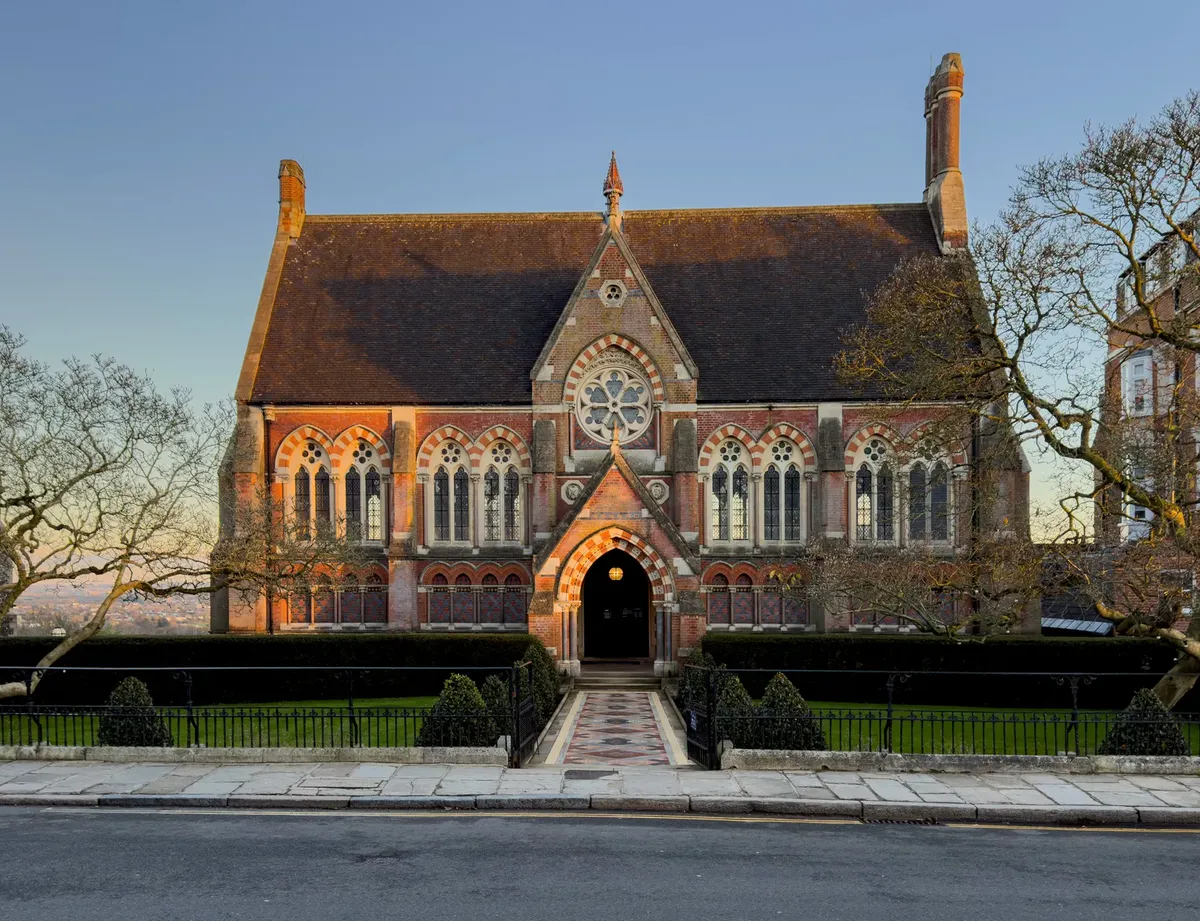
Modernization efforts aim to balance standardized curricula with diverse learning needs, influencing how schools manage admissions and academic placement.
How is the secondary school reform UK reflected in current statistics?
An administrator looks over a spreadsheet, comparing the different ways schools are categorized and how they serve the public. The current distribution of students reveals the depth of the comprehensive influence.
They account for around 90% of pupils, or 64% if one does not count schools with low-level selection.
These figures highlight the different ways researchers and officials view the comprehensiveness of the system. The 64% figure accounts for a more restrictive definition, excluding schools that still utilize any level of selection.
This distinction is vital for understanding the true scope of non-selective education.
The difference in these numbers shows that while the system is largely comprehensive, some level of selection remains present. This reality reflects the ongoing evolution of educational policy. The tension between total inclusivity and specialized selection continues to define the system.
Current enrollment patterns reflect the widespread adoption of comprehensive models over the previous selective systems.
What are the specific steps in understanding the shift from selective to comprehensive?
A researcher gathers old documents, comparing the enrollment numbers of the 1950s to the modern era. To understand the transition, one must follow the historical movement from the bipartite system to the current model.
- Analyze the impact of the bipartite system and the competition for grammar school places. 2. Examine the implementation of different school types like academy and community schools. 3. Compare the enrollment statistics of selective versus non-selective environments.

To complete the analysis, check how the 10% selection in specialist schools compares to the historical 15% to 25% grammar school availability. I found that the shift in percentages illustrates the move from scarcity to abundance.
A limitation of this overview is that it focuses on the English context, and the 15% to 25% figure specifically describes the historical competition for grammar school places.
- Analyze the legislative changes that dismantled the tripartite system.
- Examine the implementation of non-selective admissions policies.
- Evaluate the long-term impact on student demographics and social mobility.
UK comprehensive school origin
The subject here is UK comprehensive school origin.
This part also covers comprehensive school introduction.
This part also covers educational model shift UK.
This part also covers post war schooling changes.
comprehensive school introduction
Related








Comments 0