Modern Teachers: Architects of Human Potential and Growth
"The classroom is not merely a room for information transfer, but a dynamic ecosystem shaped by the intent and responsibility of its leader."
The role of a teacher has shifted from a simple transmitter of facts to a complex architect of human potential. Today, educational responsibility involves managing emotional intelligence, navigating technological shifts, and ensuring equitable access to knowledge.
* Teaching has moved from lecture-based instruction to facilitating holistic student development. * Effective classroom management is a direct byproduct of professional commitment and structured pedagogical skill. * Teacher expertise is the single most important factor in determining educational effectiveness. * Global shifts, such as changes in international enrollment, require educators to be more adaptable than ever.

What Defines the Modern Teacher's Role Beyond Instruction?
I remember sitting in a faculty lounge last October, watching a veteran teacher grade papers while simultaneously drafting a lesson plan that incorporated a new digital simulation. She wasn't just checking for correct answers; she was designing an experience.
Modern teaching is no longer about covering a textbook from page one to one hundred. It is about fostering critical thinking and emotional intelligence. Instead of acting as a lecturer who stands at the front of the room, the contemporary educator acts as a facilitator.
In this model, the teacher guides students through the process of discovery. Rather than providing a direct answer, they provide the tools and the inquiry-based framework for students to find it themselves. This shift requires a high level of mentorship.
Teachers must serve as guides for students navigating both academic rigor and personal growth. Because the world changes so rapidly, adaptability is a core requirement. Educators must constantly update their methods to keep pace with technological and social shifts.
How Does Educational Responsibility Impact Classroom Dynamics?
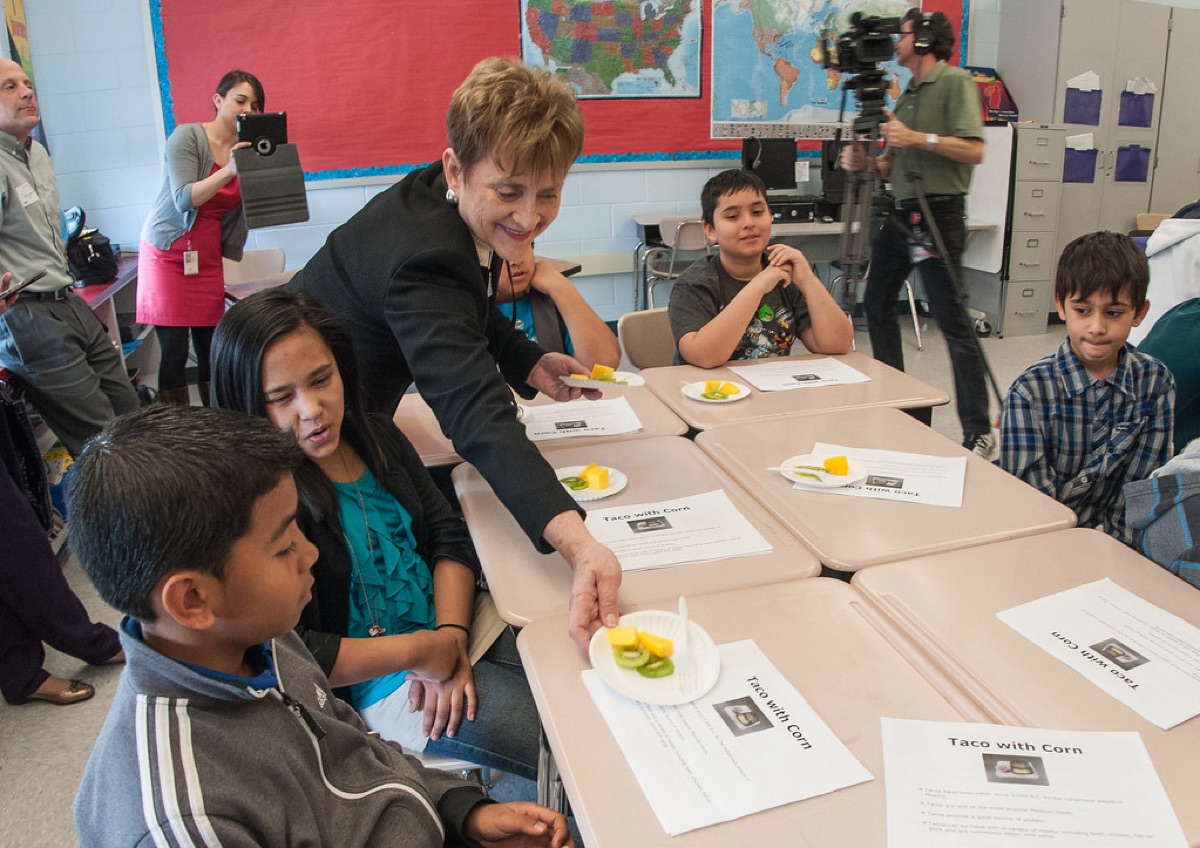
The bell rings at 8:00 AM, and a teacher stands at the door, greeting each student by name to gauge their energy levels. This small act of connection is the first step in managing a complex social environment.
Educational responsibility is deeply tied to classroom dynamics. There is a direct link between clear classroom management and student engagement. For example, structuring a 50-minute lesson with specific transitions can prevent the loss of focus that leads to disruption.
Responsibility also manifests in the pursuit of equity and inclusion. A teacher has a duty to ensure that every student, regardless of their socioeconomic background or learning disability, has access to high-quality learning opportunities.
Accountability is another pillar of this responsibility. Educators have a professional duty to meet established educational standards in every single lesson they deliver. This includes a duty toward student well-being.
Teachers are often the first to notice changes in a student's mental health. Recognizing these signs and providing or facilitating necessary support structures is a fundamental part of their modern mandate.
What Constitutes High Teacher Professionalism in Today's Global Education?
A laptop sits open on a desk, displaying a complex spreadsheet of student assessment scores and growth trends. The teacher adjusts a lesson plan for tomorrow based on these specific data points.
Professionalism in the current era is defined by continuous learning. Educators must engage in ongoing professional development to stay current with global research. Subject knowledge is no longer enough; one must possess pedagogical agility.
Data-driven instruction is a hallmark of high-level professionalism. Instead of relying on intuition, effective teachers use assessment data—such as tracking student progress over a full semester—to refine their specific teaching strategies.
In an increasingly interconnected world, a global perspective is essential. Teachers need to understand diverse student needs, which is particularly relevant in institutions that deal with international student recruitment and diverse cultural backgrounds.
| Feature | Traditional Teaching | Modern Professional Teaching |
|---|---|---|
| Primary Goal | Content delivery | Holistic development |
| Student Role | Passive listener | Active participant |
| Teacher Role | Lecturer/Authority | Facilitator/Mentor |
| Assessment | Summative (Final grades) | Formative (Continuous feedback) |
| Focus | Curriculum coverage | Skill acquisition & critical thinking |
How Do Global Educational Challenges Test Teacher Effectiveness?
The news cycle flashes with reports of shifting demographics and economic instability, casting a shadow over the stability of educational institutions. Educators must work within these broader, often volatile, global realities.
According to the Institute of International Education, there was a 17% drop in new international student graduate enrollments this past fall. According to UNICEF, 24 million girls of primary-school age in the region were not receiving any formal education in 2005.
One of the greatest challenges is addressing inequality. Teachers are on the front lines of mitigating educational gaps that exist across different socioeconomic strata. They must find ways to level the playing field within their own four walls.
Global trends also create unpredictable shifts in the educational landscape. For instance, the Institute of International Education reported a 17% drop in new international student graduate enrollments this past fall. [web]
Such shifts require teachers to be resourceful. They must manage changing classroom demographics and shifting institutional priorities. Furthermore, educators must be aware of the massive disparities in global access to education.
According to UNESCO, in 2005, it was estimated that 24 million girls of primary-school age in certain regions were not receiving any formal education.

What are the Core Components of Effective Educational Strategy?
A group of students huddles around a large poster board, debating a project's direction while the teacher moves quietly between the groups, asking probing questions. This is active learning in motion.
Effective education relies on several core strategic components. First is differentiated instruction. This involves tailoring teaching methods to meet varied learning paces and different cognitive styles within a single classroom.
Second is the implementation of active learning models. This includes project-based learning (PBL) or inquiry-based methods that require students to apply knowledge to real-world problems.
Third, teachers must establish robust feedback loops. Rather than solely providing a final grade at the end of a unit, effective educators provide timely, constructive feedback that allows for mid-course corrections.
Finally, strategic planning is required to align daily classroom activities with the long-term goals of the institution.
Steps to Implement an Effective Instructional Strategy:
- Analyze Baseline Data: Determine the current knowledge level of the student cohort. 2. Set Clear Objectives: Define what specific skills or knowledge must be mastered. 3. Design Differentiated Activities: Create multiple pathways for students to reach those objectives. 4. Execute Active Learning: Move from lecture to facilitation. 5. Provide Iterative Feedback: Use formative assessments to guide students through the learning process. 6. Reflect and Adjust: Use the results to plan the next instructional cycle.
How Does Teacher Training Support Education?
A trainee teacher stands nervously at the front of a lecture hall, practicing their opening remarks before a group of peer observers. The air is thick with the quiet tension of professional growth.
The quality of an education system is ultimately capped by the quality of its teacher training. Training programs must go beyond theory and provide practical, hands-on experience in classroom management and psychological support.
Effective training focuses on: * Mastery of pedagogical technology. * Conflict resolution and classroom de-escalation. * Cultural competency and inclusive teaching practices. * Advanced data literacy for student assessment.





Comments 0