How can we completely prevent students from falling behind in school?
One of the most challenging moments in school life is when a student falls behind – unable to keep up with their studies due to absences or tardiness. This phenomenon, which is particularly common among middle and high school students, goes beyond simple lateness and often stems from a combination of factors. It's often the result of complex interactions between learning habits, time management skills, and adaptability to school life. This article analyzes the core causes of falling behind and presents five practical strategies for overcoming it.

---
Question-Based Subheadings
Q1. What are the most common causes of falling behind? - The most frequent cause is a disruption in the learning rhythm. When regular schedules and routines are missed, engagement with studies significantly decreases. - Inconsistent attendance is also a major factor. Repeated tardiness or early departures can weaken a student's sense of belonging at school. - A lack of self-directed learning can lead to stagnation, as students are unable to progress independently without external motivation.
Q2. Is it possible to recover from falling behind with just 30 minutes a day? - It's possible. However, those 30 minutes must be used "strategically and with focus." - Instead of simply reading, using the time to complete assignments or plan review sessions can be highly effective. - Many students who incorporate a "review routine" for 30 minutes each day have seen significant improvements in their focus within three weeks.
Q3. How does falling behind affect a student's relationships with their friends at school? - Initially, there may be a lack of concern from others. However, if it persists, students can easily be perceived as "someone who doesn's take initiative." - Regularly sharing study materials or asking for help can contribute to repairing relationships. - Students who spend at least one hour per week studying with friends tend to maintain stronger relationships.
Q4. Is receiving feedback from teachers helpful in recovering from falling behind? - It can be very beneficial. Especially when teachers acknowledge a student's effort and praise even small improvements. - However, negative or comparative feedback ("Other students have already finished this") can actually worsen the situation. - Specific advice (e.g., "Try redoing problems 1 through 3 on today's assignment") is the most effective type of feedback.
Q5. What should students do if their school doesn't offer "self-directed learning time"? - Even without dedicated study time at school, students should create a "scheduled learning block" in their personal schedule. - Allocating 20-30 minutes for focused study outside of school can help restore a regular learning rhythm. - Designating a "study-only space" (e.g., the library, a coffee shop, or a specific area at home) can improve concentration.
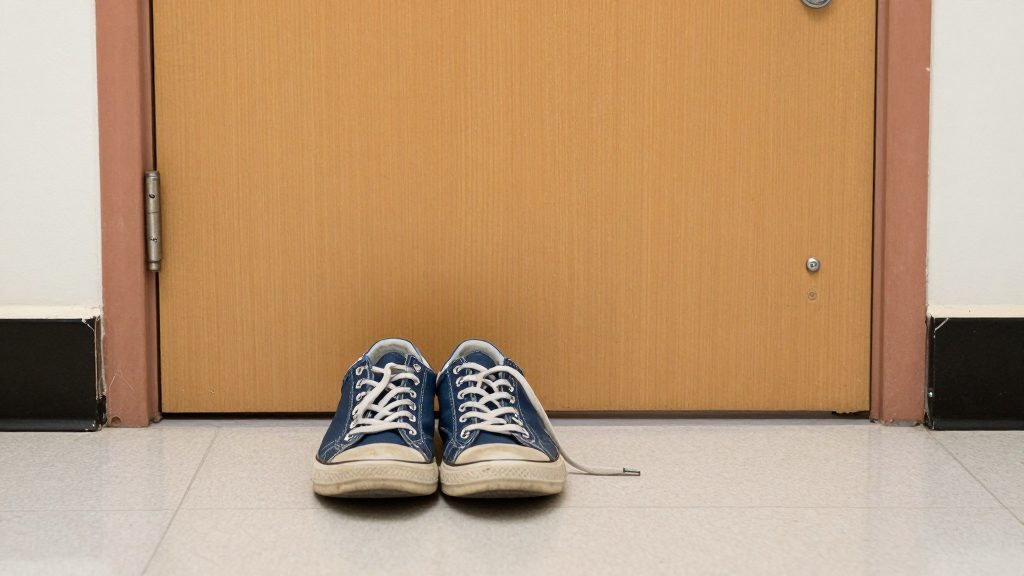
Q6. Does falling behind significantly worsen a student's overall school experience? - It poses a serious risk. Persistent academic struggles can lead to emotional distress and decreased self-esteem. - However, developing a habit of tracking small accomplishments can increase the likelihood of recovery. - Writing down one thing completed each day is an effective way to boost self-esteem.
---
Frequently Asked Questions
Q. Should I ask for advice from the school if I'm falling behind? - If you need help, definitely ask. Talk to a teacher, counselor, or advisor and say something like, "I'm struggling with my studies right now, and I need some help." Simply expressing this can be a major turning point. Schools have support systems in place, so don's be afraid to reach out.
Q. What should I do if I can't concentrate when studying outside of school? - Environment control is key. Minimize noise and ensure adequate lighting for studying (e.g., use a lamp if the surrounding light is too dim). - Use features like "study mode" or "focus blind time" on your smartphone, or implement a distance strategy. - The Pomodoro Technique, which involves breaking down study sessions into 25-minute intervals with small rewards, can be helpful.
Q. How should I cope if falling behind feels like an "illness"? - Self-awareness is crucial. Instead of thinking, "I'm incapable," recognize that "This is a challenging period." - Start with small actions. Plan one thing you can accomplish today, and celebrate when you complete it. - Developing a habit of self-care and "tracking your growth" is the most sustainable solution.
---
Falling behind is not a sign of "incompetence." It's simply a signal that your learning rhythm has been disrupted. The important thing is to acknowledge this and repeat small actions. In school, sustainable self-management skills are more important than short-term achievements. Why not start today by moving forward, one step at a time, for just 30 minutes?
Related posts

5 Causes of Decreased Academic Focus and Strategies for Improvement: Effective Approaches Used in Educational Settings.

How to effectively manage your time in school.
How can I make up for the time missed in school classes?

Online Learning vs. In-Person Classes: The Real Criteria for Choosing What's Best for Your Child, Based on Their Learning Style.
Popular posts
5 Causes of Decreased Academic Focus and Strategies for Improvement: Effective Approaches Used in Educational Settings.
How to effectively manage your time in school.
How can I make up for the time missed in school classes?
Comments 0