How can I make up for the time missed in school classes?
Jimin, a 2nd-year middle school student, felt disheartened after receiving her math test results last semester. Her score dropped from 85 in the previous year to 67 this time. The teacher explained that the reason for the decline was not due to a lack of studying, but rather "due to low class participation and a low rate of assignment submissions." Jimin had a habit of drooling during class or procrastinating on taking notes. However, her problem wasn't simply "because she didn't study," but rather because she would often get lost in her own thoughts during class, or be distracted by conversations with friends, causing her concentration to break down.
While school classes are primarily designed for information delivery, not all students process the information at the same pace. In particular, middle school students are often in a phase where their concentration spans can be short, typically lasting only 20-30 minutes. If a student's concentration drops 3-4 times during a class, it can result in over an hour of lost learning time based on a 5-period school day. This isn't just about "missing a little bit," but rather it can lead to a vicious cycle of missing key concepts and struggling during review.
Why Concentration Drops During Class: Is It Really "My Fault"?
While a student's lack of "self-management" can be a factor in decreased concentration, environmental factors and teaching methods also play a significant role. School classes are generally "lecture-based," which means information is delivered in one direction. If there are few opportunities to ask questions or engage in discussions, students may remain passive "listeners" who don't actively process the information. This problem is often exacerbated in subjects like math and science, which involve many abstract concepts.
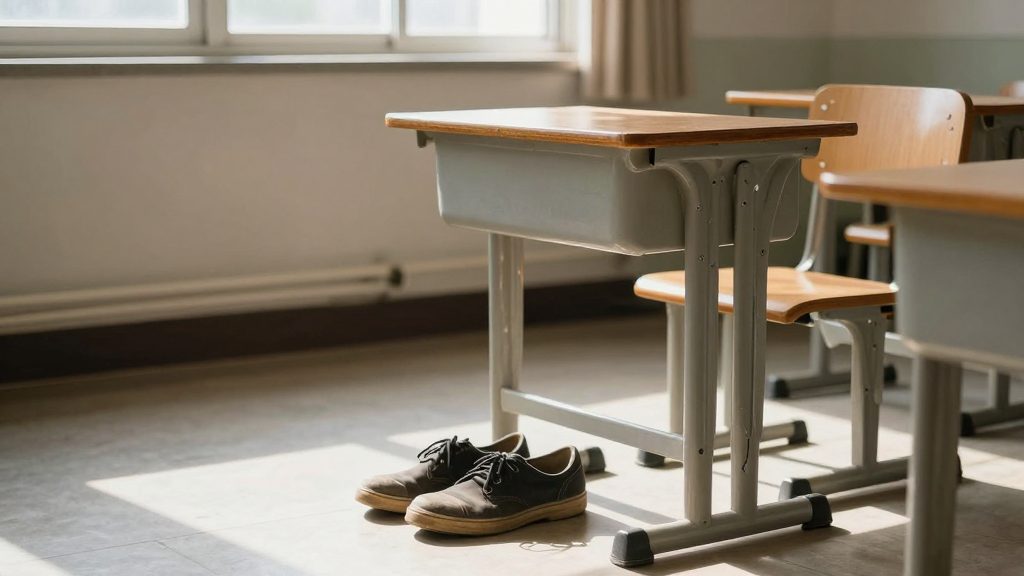
Why is Reviewing Within 24 Hours of Class Important?
Research shows that reviewing material within an hour of class can result in a retention rate of over 70%. However, if no review takes place and a day passes, the retention rate typically drops to around 50%. This is a sign that "the information hasn't settled in the brain and hasn's been properly processed." If a student spends just 5 minutes summarizing notes or reviewing key concepts after class, before doing homework, they can reduce the amount of review time needed before a test by over 40%.
Practical Tips for Checking "What Am I Doing Right Now?" During Class
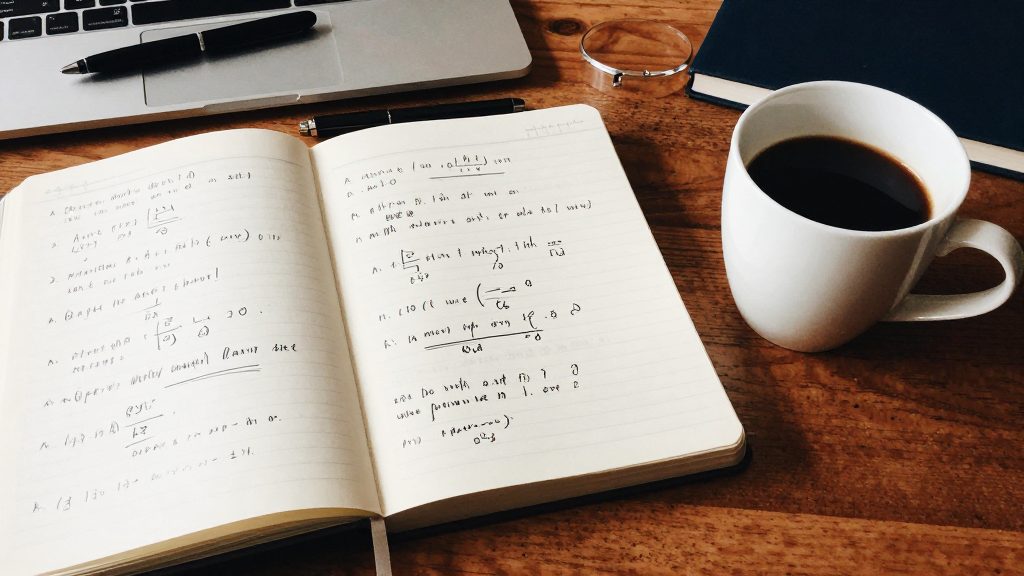
* Self-Questioning Toggle Method: Every 2-3 minutes during class, ask yourself "Why is this content important?" for 5 seconds. For example: "Why is this formula necessary for fraction calculations?" * Change Your Note-Taking Style: Instead of just writing text, use diagrams, arrows, and color coding to create visual patterns. For example, organize "Oxygen production → Plant photosynthesis → Carbon dioxide reduction" as a vertical flow chart. * Divide Your Concentration Time: Apply the Pomodoro Technique (25 minutes of concentration + 5 minutes break) to class time. For example, during a 45-minute period, focus intensely for 25 minutes → take a 5-minute break (stretch, close your eyes) → focus for another 15 minutes. * Create Your Own "Concentration Routine": Before each class, spend 1 minute thinking about "What do I want to gain from this class?" and write a single line on your notebook.
Effective "Review Time Placement" Principles for Supplementing School Classes
* Within 30 minutes after class: Simple summarization (e.g., write down 3 key terms learned today). * That evening: Before starting homework, spend 10 minutes reviewing your notes and explaining "What did I understand?" in words (explain it to yourself). * The next morning: Reorganize the content of yesterday's class in 2-3 sentences (do this *before* starting homework). * Weekend: 10-minute weekly review (summarize 5 key learning points from the week).

These methods focus on developing the ability to reproduce not just "what was studied," but also "why that content is important and how it connects." While school classes are a "warehouse" for information, to make that information stick in a student's mind, they need to develop the habit of creating their own connections.
Final Advice

Missing information during class isn't a "mistake," but rather a sign of a lack of conscious learning habits. By anticipating moments when concentration might drop and responding with small actions (a 5-second question, a single line of notes), you can transform class from "passing information" into "knowledge that is stored in the brain." Effective supplementation isn't about spending "more time," but rather about repeating high-quality learning in a short amount of time. After today's class, take just 30 seconds to explain "What did I learn?" in words. That is the most effective study method in the long run.
Related posts

5 Causes of Decreased Academic Focus and Strategies for Improvement: Effective Approaches Used in Educational Settings.

How can we completely prevent students from falling behind in school?
How to effectively manage your time in school.

Online Learning vs. In-Person Classes: The Real Criteria for Choosing What's Best for Your Child, Based on Their Learning Style.
Popular posts
5 Causes of Decreased Academic Focus and Strategies for Improvement: Effective Approaches Used in Educational Settings.
How can we completely prevent students from falling behind in school?
How to effectively manage your time in school.
Comments 0